
Black Rubber Manual Resuscitators
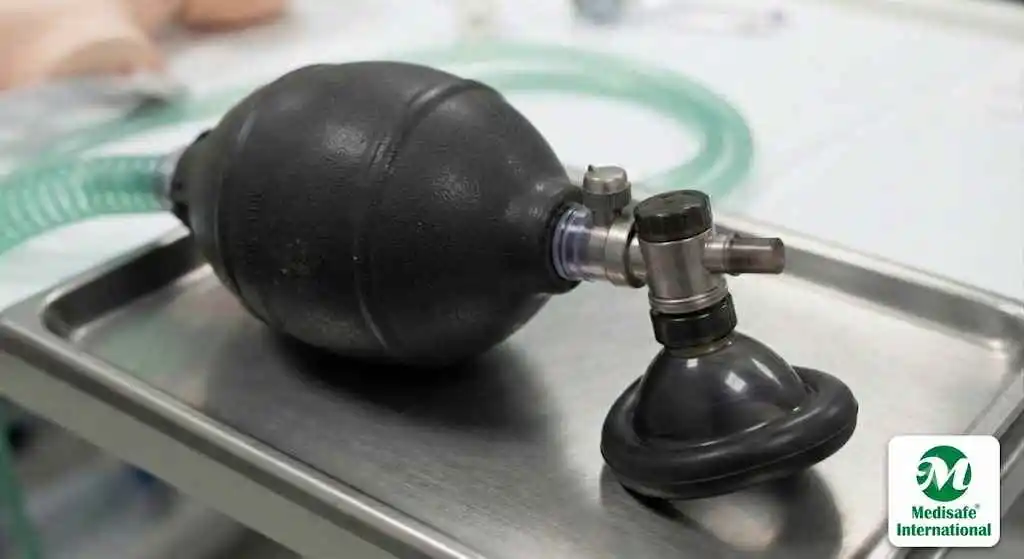
Black Rubber Manual Resuscitators (traditionally made of natural latex rubber or synthetic neoprene/EPDM) are reusable Bag-Valve-Mask (BVM) units historically standard in operating rooms and anesthesia carts, though they have largely been replaced in modern hospitals by clear medical-grade Rubber or single-use PVC models.
Key Characteristics & Clinical Considerations
- Material & Durability:
- Constructed from heavy-duty, vulcanized black natural rubber (latex) or conductive neoprene, designed to withstand repeated steam autoclaving and chemical sterilization.
- Offers strong elastic recoil and high resistance to tearing or puncture compared to thin disposable plastics.
- Major Clinical Drawbacks (Why Modern Hospitals Replaced Them):
- Latex Allergy Risk: Natural black rubber poses a severe anaphylaxis risk for latex-sensitive patients and healthcare workers, leading to widespread hospital bans on latex airway equipment.
- Zero Visual Visibility: Unlike modern transparent silicone or PVC resuscitators, an opaque black bag and mask completely hide vomitus, blood, secretions, or fogging (condensation) inside the airway circuit—delaying recognition of aspiration or valve obstruction.
- Rubber Degradation: Over repeated autoclave cycles and exposure to ozone/UV light, black rubber dries out, cracks, becomes sticky, and loses elastic recoil.
- Current Use Cases:
- Still occasionally encountered in veterinary medicine, industrial/military legacy kits, low-resource clinics, or anesthesia training simulations where reusable durability is prioritized over single-use convenience.
Comparison: Black Rubber vs. Modern Silicone BVMs
|
Feature |
Black Rubber Resuscitator |
Modern Reusable Silicone BVM |
|
Material |
Natural latex rubber or neoprene |
100% medical-grade latex-free silicone |
|
Visibility |
Opaque (cannot see secretions or condensation) |
Transparent / translucent (clear view of airway) |
|
Allergy Safety |
High risk of latex allergy |
Hypoallergenic (latex- and DEHP-free) |
|
Sterilization Lifespan |
Prone to cracking/drying after repeated autoclaving |
High thermal stability (typically 20–50+ autoclave cycles) |
|
Weight & Ergonomics |
Heavier, thicker wall texture |
Lightweight, softer tactile lung-compliance feel |